
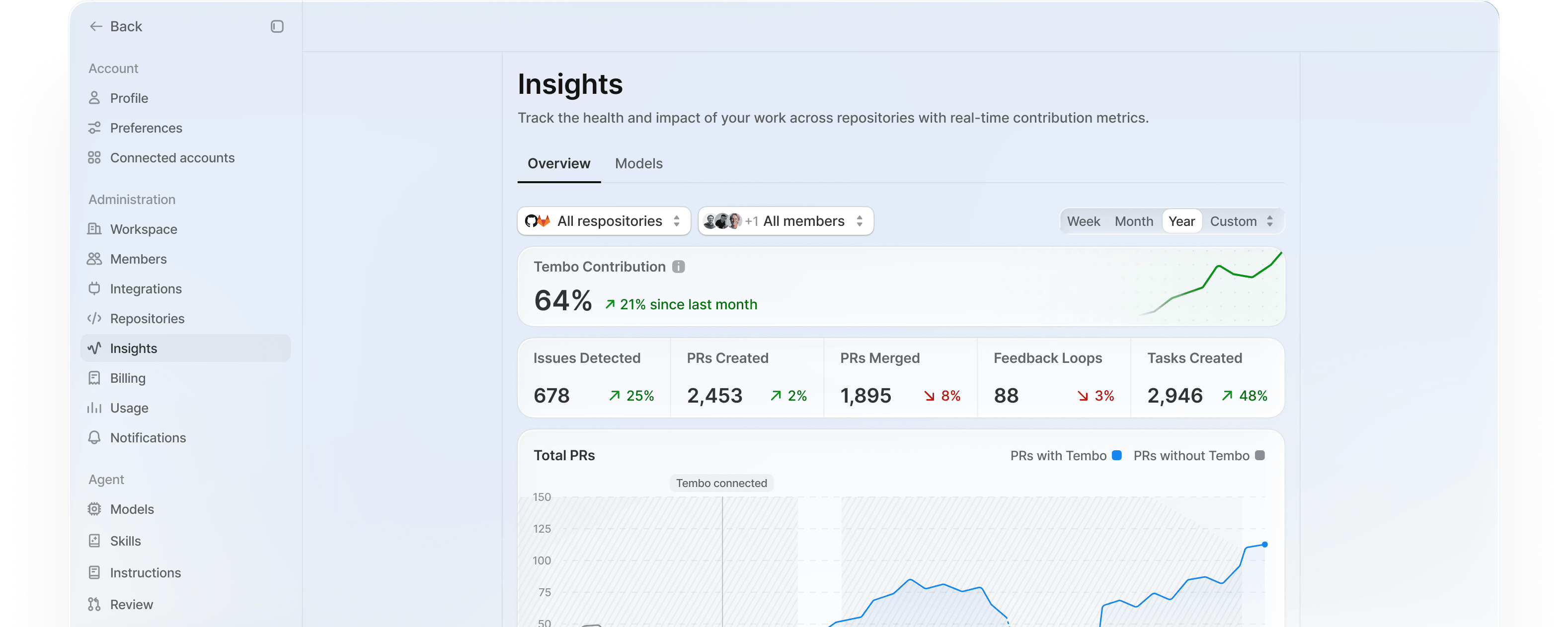
Pick the use case that matters most to your team
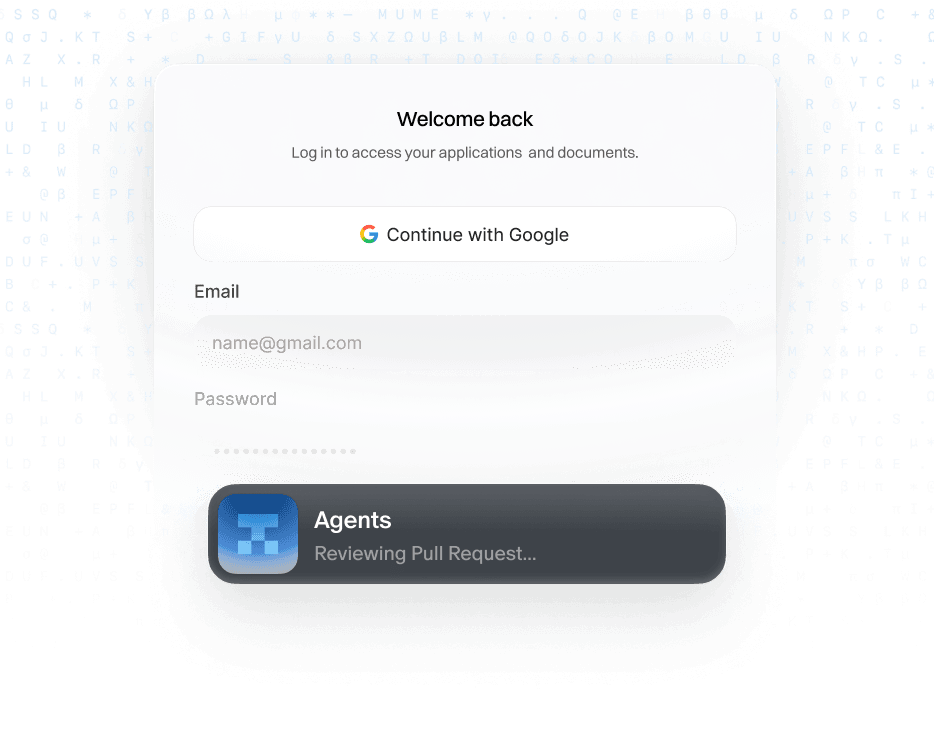
Code review & visual QA
Every PR reviewed in a real environment. Agents check out the code, run tests and builds, catch visual regressions, and leave actionable comments, not just lint passes.
Learn More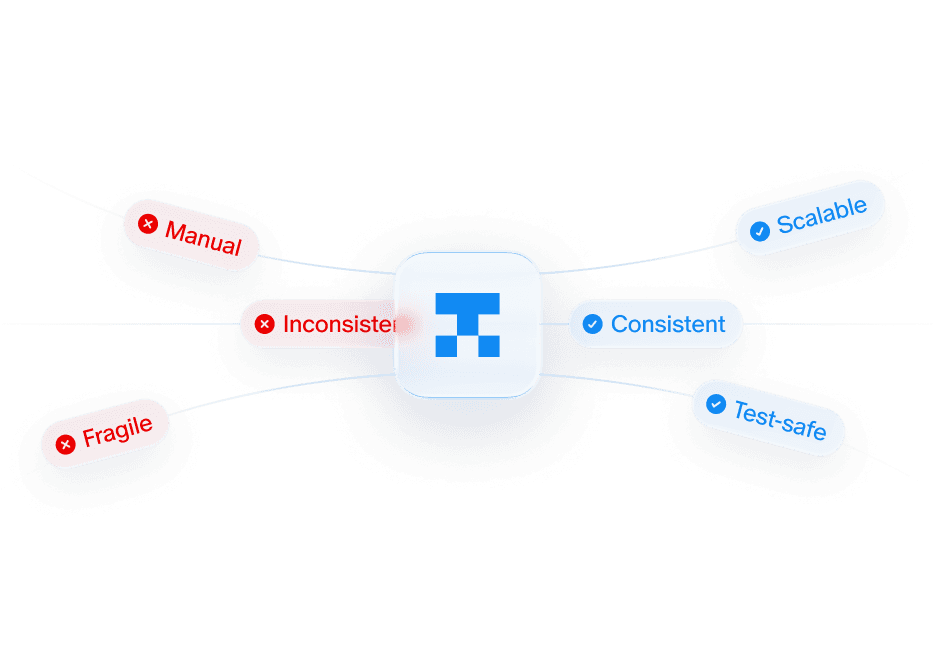
Code migration & modernization
Framework upgrades, library migrations, and large-scale refactors, verified by tests. Tilt shipped ~120 PRs from one approved pattern and cleaned up 7 years of tech debt.
Learn More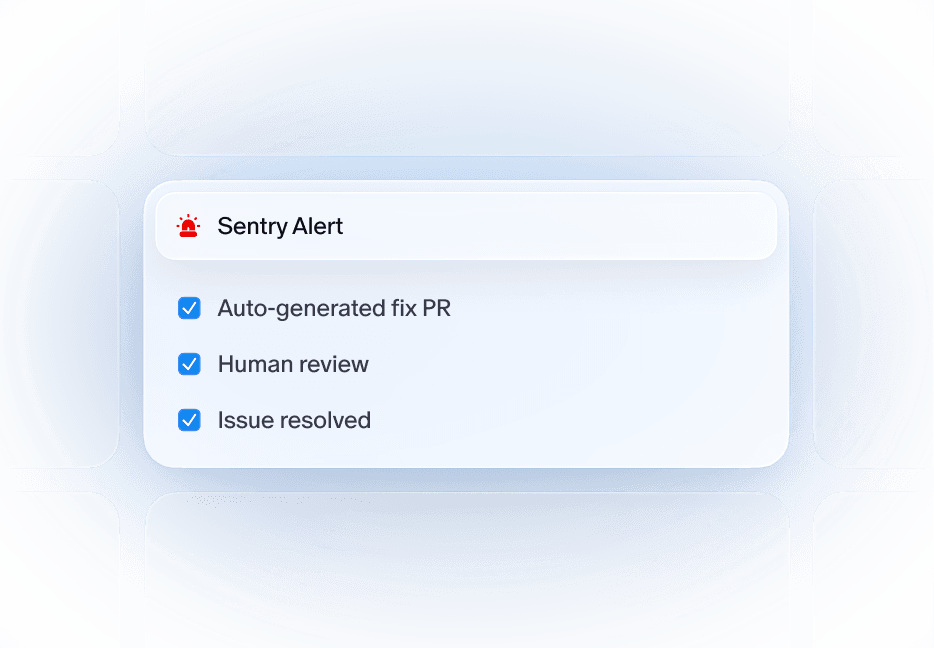
Incident triage & bug fixing
Sentry alert comes in. Fix PR goes out. Humans review. Ali at Integral came into the office to find 12 Tembo PRs waiting. He closed 3 Sentry issues in under 5 minutes.
Learn MoreTrigger. Execute. Review. Approve.
- 1
Context
Pull in tickets, code, error logs, and documentation from your connected tools. Agents start with the full picture.
- 2
Execution
Agents run in isolated cloud VMs with your repo, tools, and dependencies. No local machine required.
- 3
Output
Get pull requests, code changes, and summaries. Review diffs, test results, and agent reasoning before anything ships.
- 4
Approval
Humans stay in the loop. Approve, request changes, or hand off to another agent. Nothing merges without your sign-off.
The work nobody has time for.
Backlog is already there
Engineering teams already have well-defined work sitting in the queue, waiting for time and bandwidth to actually get picked up and completed.
Routine work gets delayed
PR reviews pile up, migration tickets get pushed, and small Sentry fixes stay unresolved because no one can prioritize them.
Agents fit repeatable work
Agents create the most value on concrete, repeatable workflows with outputs that are easy to verify.
Humans stay in control
Agents help with execution, but people still review the work, make the final decisions, and stay accountable for the outcome.
Start small, expand fast
Teams often begin with one use case, see real output within the first week, and gradually expand to more workflows from there.
Works with your stack
Agents plug into the repos, CI, and trackers your team already uses, so there's no new process to adopt or migration to manage.