
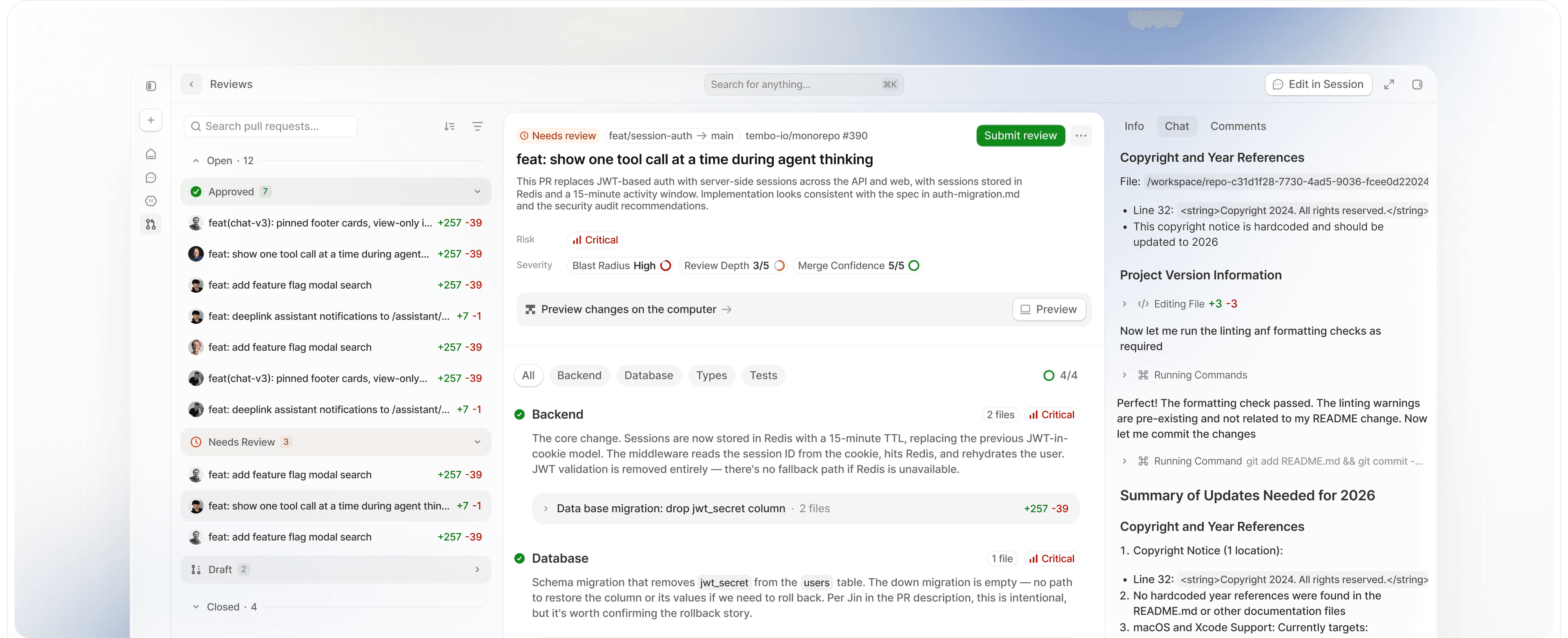
Bug reports pile up. Nobody has time to triage.
Operational issues pile up fast
Alerts, CI failures, bug reports, and tickets can sit in queues for hours before anyone has time to investigate.
The fix is rarely the hard part
Even simple issues require a developer to load context, reproduce the problem, write a fix, and open a PR.
Lost focus is the real cost
The work itself may only take 30 minutes, but interrupting a developer’s flow is often the most expensive part.
Alert to fix PR in one automated pipeline.
- Step 1
Issue intake
A Sentry alert, Slack message, Datadog alert, CI failure, or bug report triggers the agent.
- Step 2
Reproduction
The agent checks out the code, reads the stack trace, and reproduces the issue in an isolated environment.
- Step 3
Root cause
The agent traces the issue through your codebase, identifies the root cause, and determines the fix.
- Step 4
Patching
The agent writes the fix, updates related tests, and makes sure the change doesn’t introduce new regressions.
- Step 5
Verification
The agent runs the full test suite, builds the project, and confirms the issue is resolved without side effects.
- Step 6
PR created
A review-ready PR is opened with the fix, test changes, and an investigation summary. Humans review and merge.
Wherever bugs come from, agents pick them up

Sentry alerts
Error monitoring alerts trigger agents to investigate, find root causes, and open fix PRs automatically.

Slack messages
@Tembo in Slack with a bug description. The agent picks it up, investigates, and reports back with a fix.

Datadog monitors
Performance monitors and health checks trigger agents to investigate degradations and propose fixes.

CI failures
When CI breaks, agents investigate the failure, identify the root cause, and open a fix PR.

Bug reports
GitHub issues, Linear tickets, or any structured bug report can trigger an agent investigation.

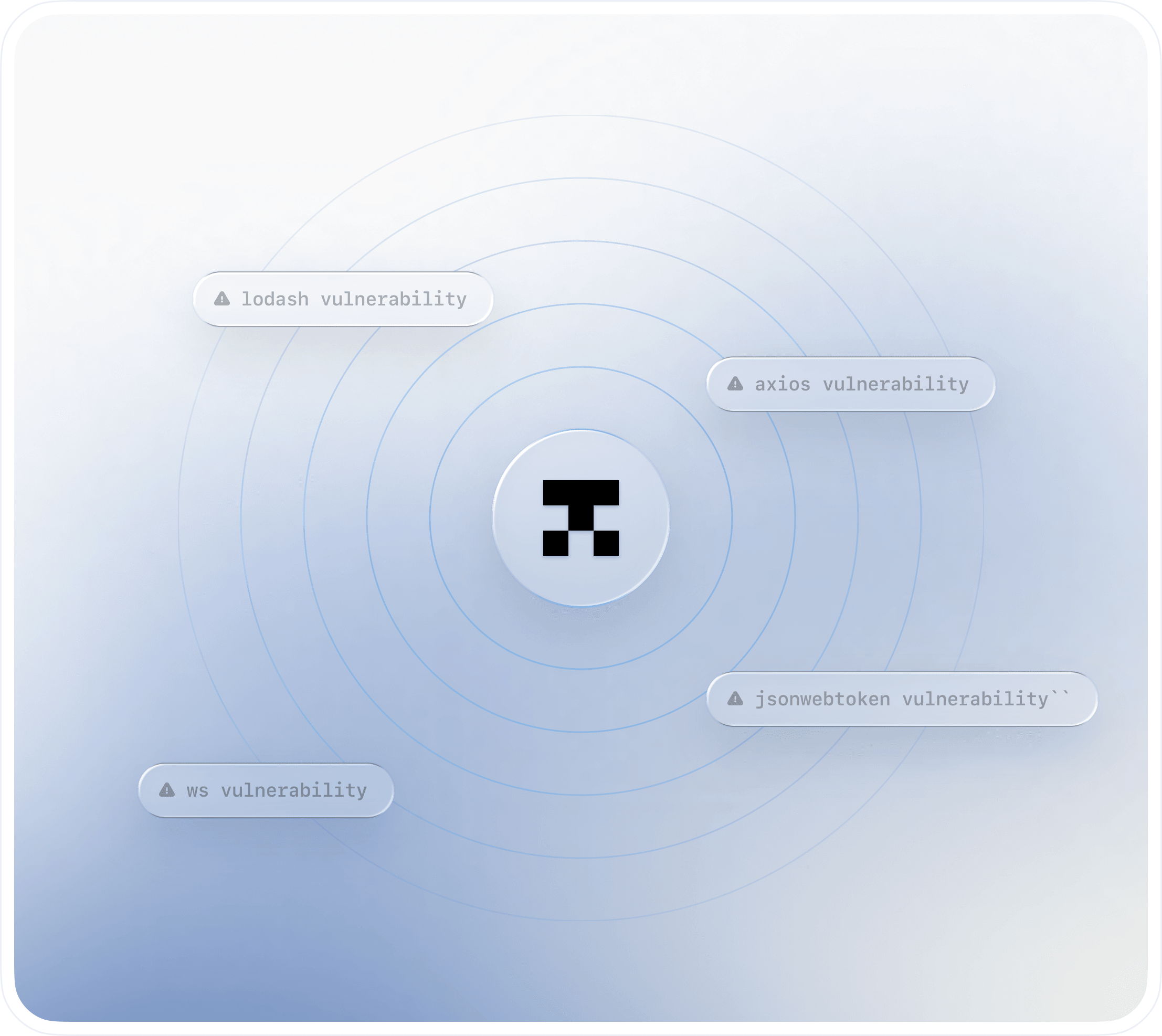
CVE advisories
When a CVE is published for a dependency you use, agents can remediate it — upgrading, patching, or replacing the affected package.
CVE remediation
Tembo turns dependency vulnerability alerts into a remediation workflow. It can investigate impact, patch or upgrade the affected package, run tests, and open a PR — so security fixes ship through the same reviewable process as the rest of your code.
- Assess the impact on your codebase
- Patch or upgrade the affected package
- Run your test suite
- Open a remediation PR for review
Three Sentry issues. Closed before coffee.
Agents had been running overnight. By the time the team arrived, 12 PRs were staged for review — each one with a fix, test updates, and a summary of the investigation.
Ali reviewed the PRs, confirmed the fixes, and closed the Sentry issues. What would have taken hours of context-switching took less than 5 minutes of review.
“I came into the office to find 12 Tembo PRs waiting, and closed 3 Sentry issues in under 5 minutes. That’s the workflow — agents triage overnight, humans review in the morning.”

More ways teams use Tembo
Code review & visual QA
Every PR is reviewed in a real environment. Agents run tests and builds, catch visual regressions, and leave actionable feedback. Not just lint checks.
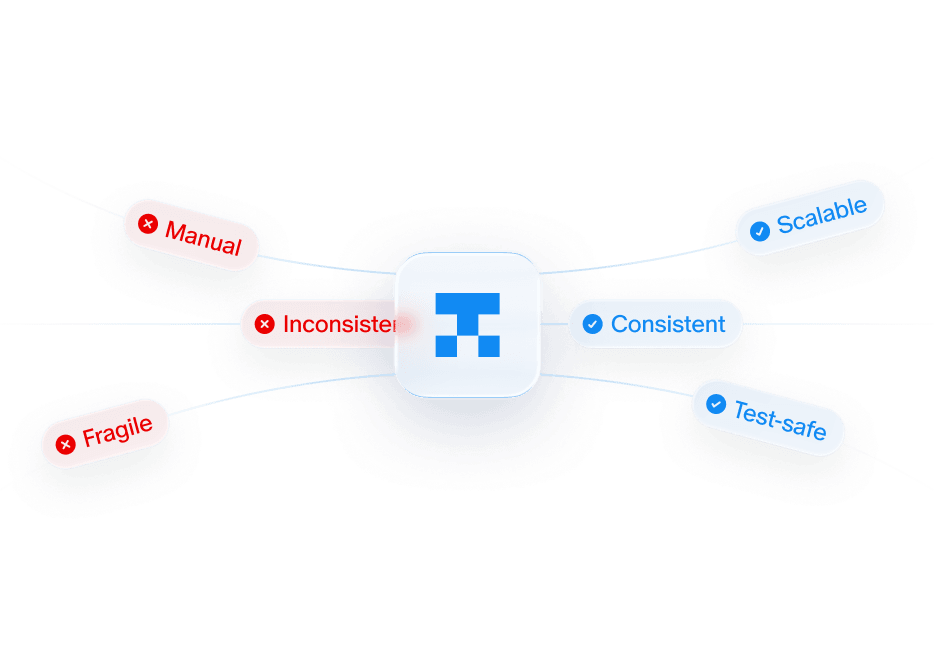
Code migration & modernization
Framework upgrades, library migrations, and large-scale refactors, verified by tests. Tilt shipped ~120 PRs from one approved pattern and cleaned up 7 years of tech debt.